
Stay independent in the home you love:
You don't have to wait for a fall, hospitalization or major change to start planning. I'll Stay Home provides in-home occupational therapy and aging-in-place assistance that help older adults address changes early, make everyday life easier and remain in control of their future.
Serving older adults and families throughout Columbus Ohio and the surrounding communities.
You shouldn't wait for a crisis.
Schedule an aging-in-place assessment to explore what could help you stay safe, independent and comfortable at home.
Maybe you're noticing that stairs aren't as easy as they used to be. Maybe you're taking longer to get dressed, feeling less steady, or relying on family a little more.
These changes don't mean you have to give up your independence. They may simply be signs that it's time to think about how your home, routines and daily activities can better support you.
The goal isn't to wait until a fall, injury, hospitalization or major decline forces a change. The goal is to notice small changes early and address them while you have more options and control.
You might be noticing:
Feeling less steady
Difficulty with stairs
Getting tired more easily
Difficulty getting up from a chair or out of bed
Avoiding activities because they feel harder or unsafe
Taking longer to complete everyday tasks
Relying on family more
Aging in Place starts with planning ahead.
Aging in place isn't simply staying in the same house. It is creating a home environment and routines that continue to support the way you want to live as you get older.
An aging-in-place assessment is completed in your home by an occupational therapist. The assessment considers how your abilities, home environment, daily routines and personal goals work together.
We may evaluate areas such as strength, balance, mobility, endurance, vision, cognition, bathroom safety, entrances, stairs, medication routines, meal preparation and the activities that matter most to you.
After the assessment, you will receive personalized recommendations designed to make everyday life easier, safer and more manageable. Recommendations may include home modifications, equipment, exercises, activity strategies, caregiver education, therapy or referrals to other trusted professionals.
What we evaluate:
Your abilities:
Strength
Balance
Mobility
Endurance
Cognition
Confidence
Vision
Your environment:
Bathroom
Stairs
Lighting
Flooring
Entrances
Kitchen
Bedroom
Your daily activities:
Bathing
Dressing
Cooking
Cleaning
Managing your medications
Hobbies
Getting out into the community
Recommendations may include home modifications, adaptive equipment, changes to how you complete your activities, exercise and wellness strategies, caregiver education and training or referrals to other professionals.
Aging in Place is for more than someone who is struggling.
You don't need to have a diagnosis or major problem to start planning for the future.
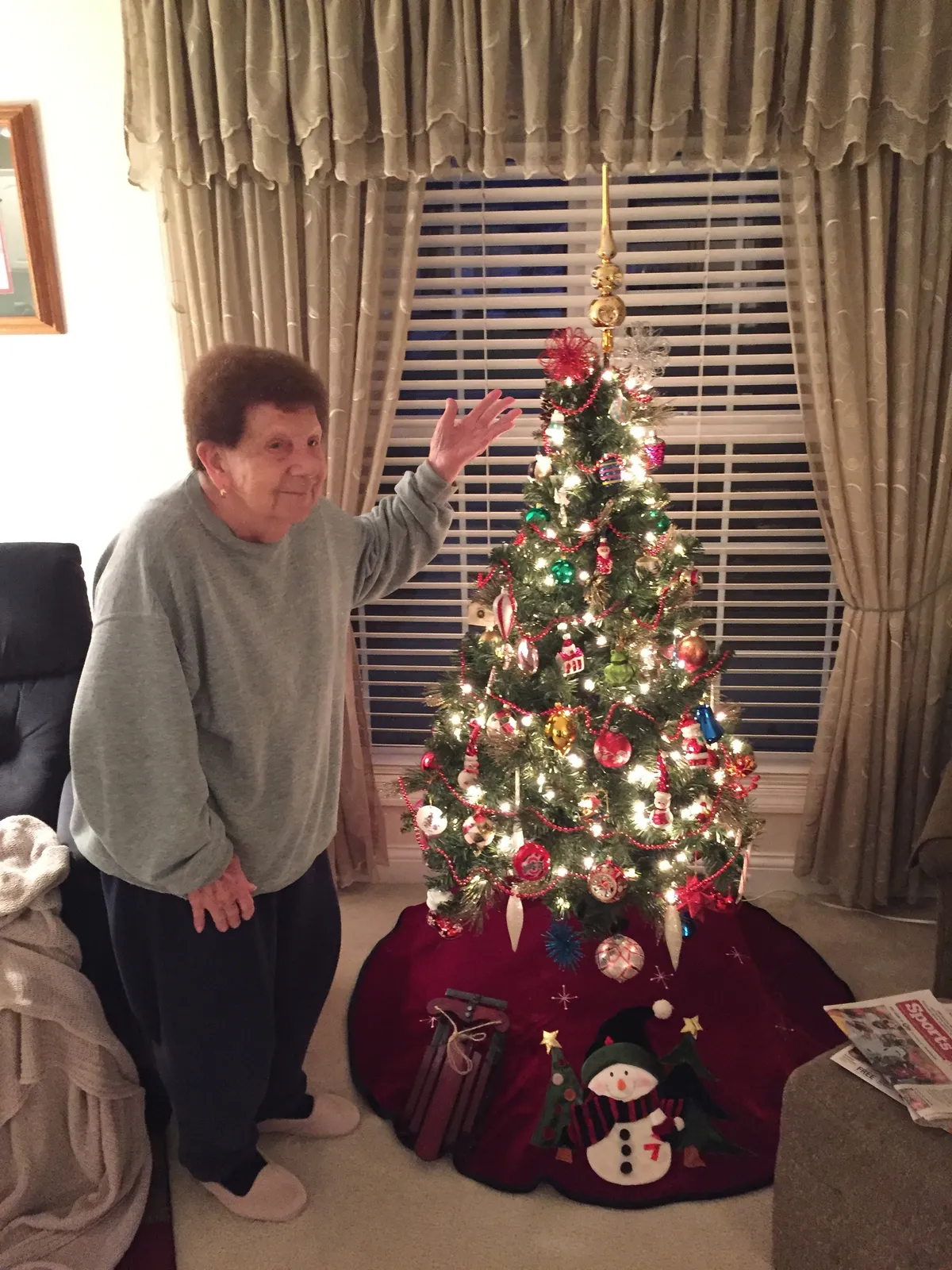
I'll Stay Home can help you if:
You want to remain independent as you get older
Have noticed changes in balance, strength, endurance or mobility
Are becoming less confident with everyday activities
Want to prevent falls before they happen
Are beginning to avoid activities you enjoy
Are finding parts of your home more difficult to manage
Want to prepare yourself and home before surgery
Are helping a parent plan for the future
Are beginning to rely more on family or caregivers
Simply want to understand what changes could help you stay home longer
What to Expect?
1. Contact Us
Call, text or submit the contact form to tell us what you or your family member has been noticing.
2. Meet With an Occupational Therapist in Your Home
We'll look at how your abilities, home environment, daily activities and personal goals work together.
3. Receive Personalized Recommendations
You'll receive practical recommendations based on your priorities, needs and preferences.
4. Decide What Comes Next
You decide which recommendations make sense for you. Ongoing occupational therapy or follow-up may be available when appropriate.
Because home is more than four walls...
Your home is where you make your coffee the way you like it, spend time with the people you love, pursue your hobbies and live everyday life. Aging in place isn't about preventing falls. It is about protecting your ability to participate in the life you've built.
Stay Independent: Make everyday activities easier and safer.
Stay Connected: Maintain the ability to participate with the people, places and activities that matter to you.
Stay in Control: Make decisions about your future while you still have more choices.
Why choose I'll Stay Home?
Change should happen on your terms.
We know that change is scary, and we would never force a change you aren't ready for. Instead, we use evidence, your needs, your preferences and your goals to find the just-right fit for you.
Our goal is to help you maximize your safety, independence and quality of life while keeping you in control of the decisions that affect your life.
I'll Stay Home Provides:
-Licensed occupational therapy
-Mobile services in your home
-Evidence-informed assessment and recommendations
-A client-centered approach
-Proactive rather than crisis driven services

Frequently Asked Questions
What does aging in place mean?
Aging in place means continuing to live safely and comfortably in the home and community you choose as you get older. It may involve adapting your home, routines, or activities as your needs change.
How can I live safely at home as I get older?
Start by addressing small changes before they become bigger problems. Improving balance and strength, reducing fall hazards, adapting daily activities, and making thoughtful home modifications can all support safe, independent living.
When should I start planning for aging in place?
You don't have to wait until you have a problem. Planning while you're still independent gives you more choices and allows you to make changes proactively rather than after a fall, injury, or health crisis.
How do I know if my home is safe for aging in place?
Look at how well your home supports the things you do every day. An occupational therapist can evaluate your home, abilities, and daily routines to identify potential risks and practical solutions.
Do I need to have a problem before getting an aging-in-place assessment?
No. An assessment can be helpful even when you're doing well but noticing small changes or simply want to plan ahead. The goal is to address potential challenges before they limit your independence.
What does an aging-in-place assessment include:
An occupational therapist looks at your abilities, home environment, daily activities, and personal goals. Recommendations may include home modifications, equipment, activity strategies, exercises, or other resources.
Can an occupational therapist help me prevent falls?
Yes. An OT can identify factors contributing to fall risk and help address balance, strength, mobility, daily activities, medications and routines, and environmental hazards.
What types of home modifications might I need?
Every home and person is different. Recommendations might include improved lighting, grab bars, bathroom equipment, stair modifications, changes to flooring or furniture, or other adaptations that make your home safer and easier to use.
Can you help me if I'm still independent but noticing changes?
Absolutely. In fact, that's exactly when proactive support can be most valuable. We help identify practical changes that can support your independence before a larger problem develops.
Can you help my aging parents remain independent at home?
Yes. We can work with older adults and, when appropriate, their families or caregivers to identify ways to support safety and independence while respecting the older adult's preferences and goals.
Does Medicare cover aging-in-place services?
Medicare may cover medically necessary outpatient occupational therapy when eligibility and coverage requirements are met. Coverage for specific home modifications or equipment is different and may not be covered. We can help you understand how your therapy benefits apply.
Do I need a doctor's referral?
It depends on your insurance and the type of service. A referral is often helpful when considering insurance coverage and reimbursement. We can help you understand whether a referral or order is needed for your situation.
Get In Touch

Serving Columbus and the Surrounding Areas

MEDICAL DISCLAIMER:
All information on this website is intended for instruction and informational purposes only. The authors are not responsible for any harm or injury that may result. Significant injury risk is possible if you do not follow due diligence and seek suitable professional advice about your injury.
No guarantees of specific results are expressly made or implied on this website.
Copyright © 2026 All Rights Reserved by I'll Stay Home.